
How Advanced Eye-Tracking Technology at Outreach Vision Detects the Micro-Alignments Regular Eye Exams Miss
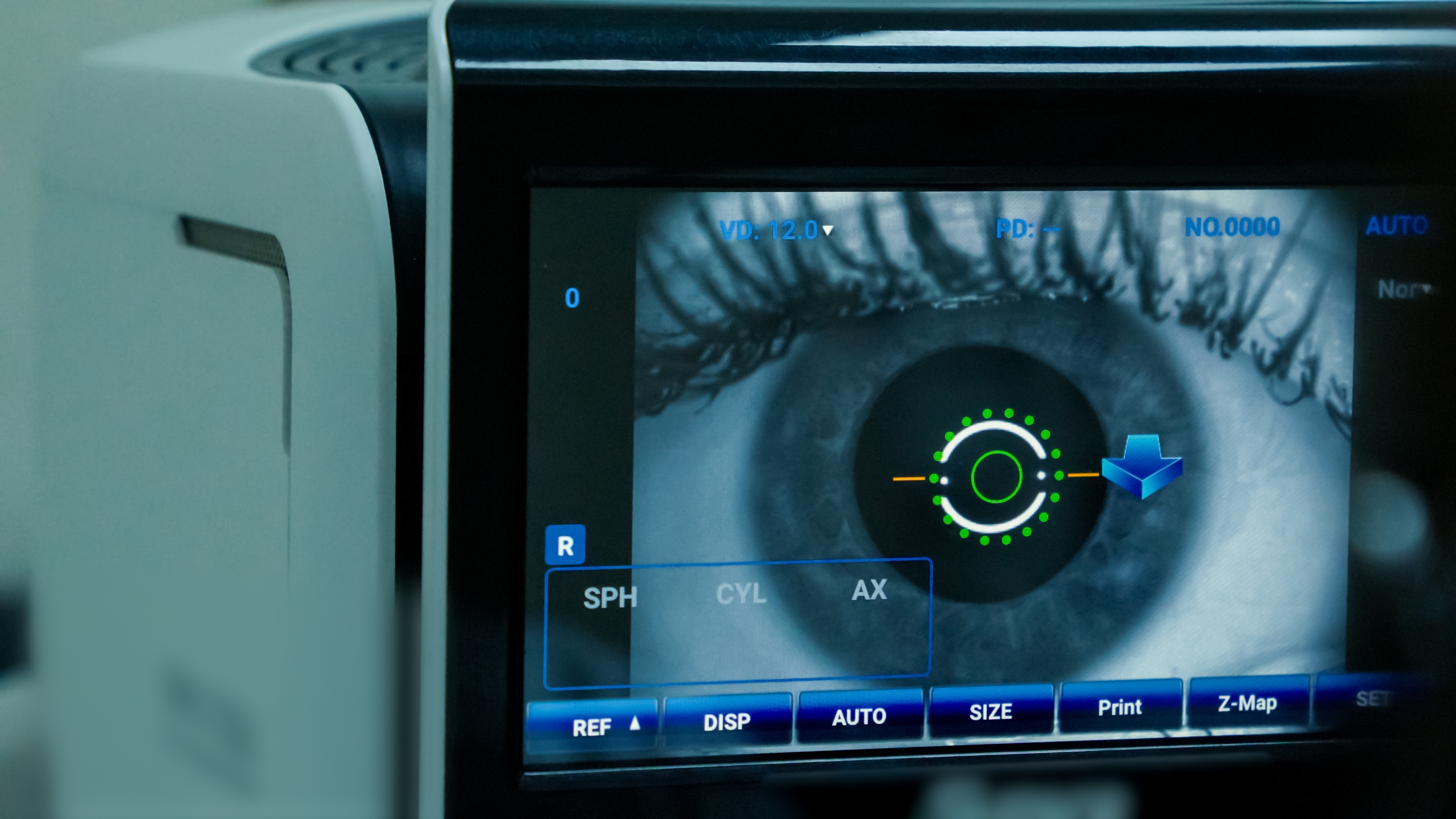
Subtle eye alignment problems can cause significant visual discomfort, even when standard testing does not reveal an obvious issue. At Outreach Vision in Platte City, we use advanced technology and specialized binocular vision testing to evaluate how the eyes move, focus, and work together. This allows us to look beyond basic vision measurements and identify small alignment problems that may contribute to ongoing symptoms.
Why Small Eye Misalignments Matter
Binocular Vision Dysfunction, or BVD, occurs when the eyes are not perfectly aligned or coordinated. Even a very small difference in eye positioning can force the brain and eye muscles to work harder to create one comfortable, stable image.
Over time, that extra effort may contribute to symptoms such as:
• Headaches and eye strain
• Dizziness or balance problems
• Blurred or double vision
• Difficulty reading or concentrating
• Motion sickness
• Neck discomfort
• Visual fatigue during computer use
Because these misalignments can be extremely subtle, they may not be detected during a standard eye exam focused primarily on prescription needs and overall eye health.
What Is the NeuroVisual™ Exam?
The NeuroVisual™ Exam is a specialized evaluation designed to assess how the eyes function together as a coordinated system. At Outreach Vision, this detailed exam helps us identify binocular vision problems that can be missed with routine testing.
Rather than evaluating each eye in isolation, the NeuroVisual™ Exam looks closely at how the eyes and brain interact during everyday visual tasks. We assess eye movement, eye teaming, tracking, focusing ability, convergence, binocular fusion, depth perception, balance, and posture.
These measurements help us determine whether the eyes are making repeated small adjustments to maintain alignment. When this compensation becomes excessive, it can place additional strain on the visual system and contribute to persistent symptoms.
How Eye-Tracking Technology Provides More Detail
Advanced eye-tracking and binocular vision assessment technology gives us objective information about how accurately and efficiently the eyes move together.
For example, we can examine whether the eyes maintain proper coordination while following a target, shifting focus, reading, or looking between different distances. Subtle inconsistencies in these movements can provide important clues about why a patient is experiencing headaches, dizziness, reading difficulty, or visual fatigue.
This deeper level of testing helps us connect symptoms with the underlying way the eyes are functioning rather than simply addressing visual clarity.
Personalized Treatment for Subtle Eye Alignment Problems
If the NeuroVisual™ Exam identifies BVD or another alignment issue, treatment may include specialized microprism lenses. These lenses are designed to help better align the images reaching the brain, reducing the amount of effort the eyes must use to work together comfortably. Our goal is to understand the full visual system and identify problems that traditional testing may overlook.
If persistent headaches, dizziness, reading difficulties, motion sickness, or eye strain are interfering with daily life, schedule a NeuroVisual™ Exam with Outreach Vision to learn whether a subtle eye alignment problem may be contributing to your symptoms. Contact our office in Platte City, Missouri, by calling (816) 858-6080 to book an appointment today.


Our Services
Contact Info
Hours of Operation
By Appointment Only*- Monday 10:00 AM - 5:00 PM
- Tuesday 10:00 AM - 5:00 PM
- Wednesday 10:00 AM - 5:00 PM
- Thursday 10:00 AM - 5:00 PM
- Friday 10:00 AM - 5:00 PM
- Saturday 10:00am - 3:00pm
- Sunday Closed
© 2026 Outreach Vision. All rights Reserved. Accessibility Statement - Privacy Policy - Terms & Conditions - Sitemap
Powered by: