Blog list
Outreach Vision Blog
Coming soon...

When a child struggles to concentrate, loses their place while reading, or avoids homework, parents may wonder whether ADHD is involved. However, some school-related attention complaints can also occur when the eyes are not working together efficiently. At Outreach Vision in Platte City, we evaluate children for binocular vision problems that may make reading and other near tasks more difficult.
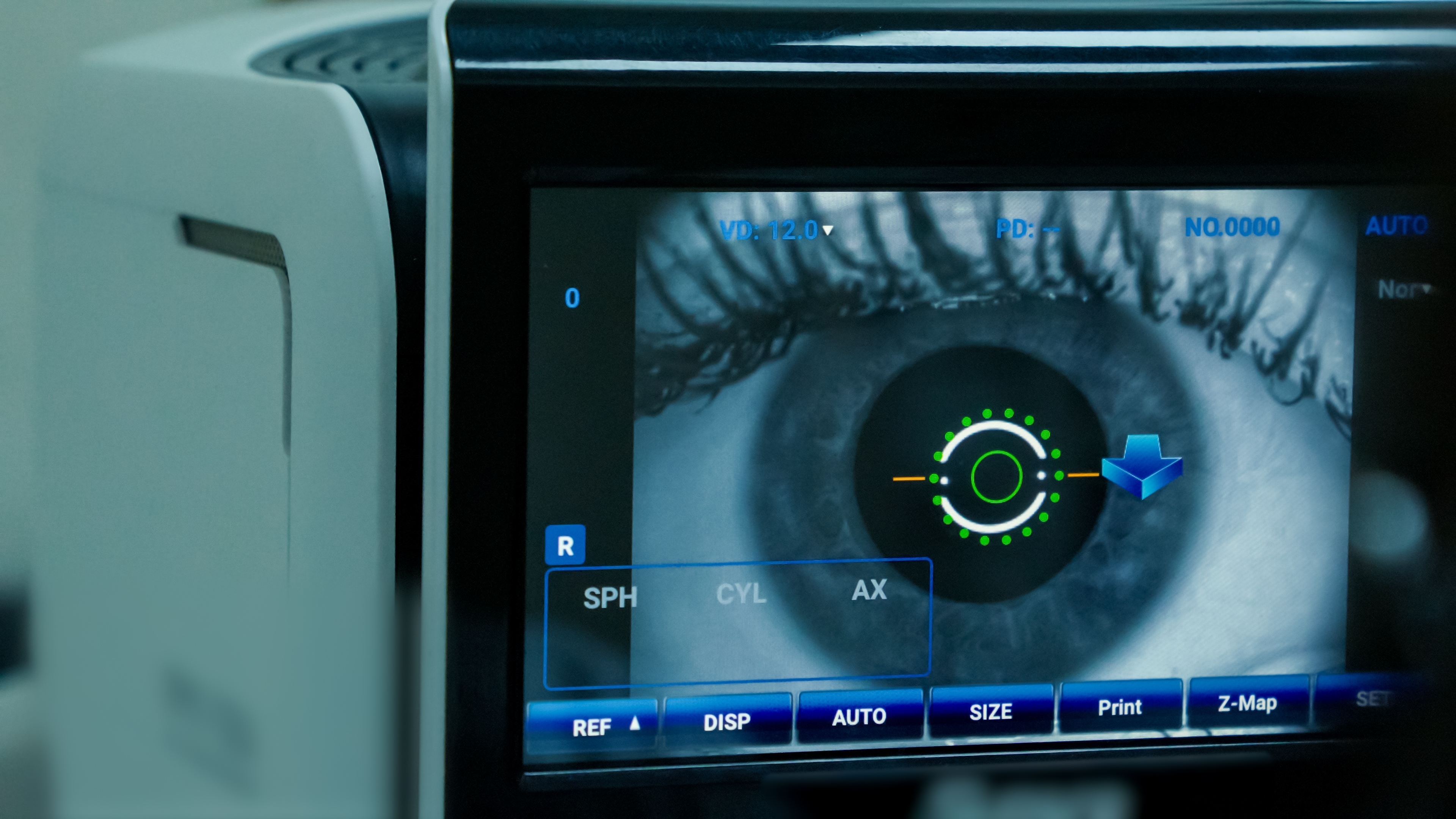
Subtle eye alignment problems can cause significant visual discomfort, even when standard testing does not reveal an obvious issue. At Outreach Vision in Platte City, we use advanced technology and specialized binocular vision testing to evaluate how the eyes move, focus, and work together. This allows us to look beyond basic vision measurements and identify small alignment problems that may contribute to ongoing symptoms.

Living with chronic dizziness can make everyday activities feel unpredictable. Walking through a busy store, driving, reading, or simply turning your head may leave you feeling unsteady or disoriented. While dizziness has many possible causes, sometimes the problem is connected to how the eyes work together.
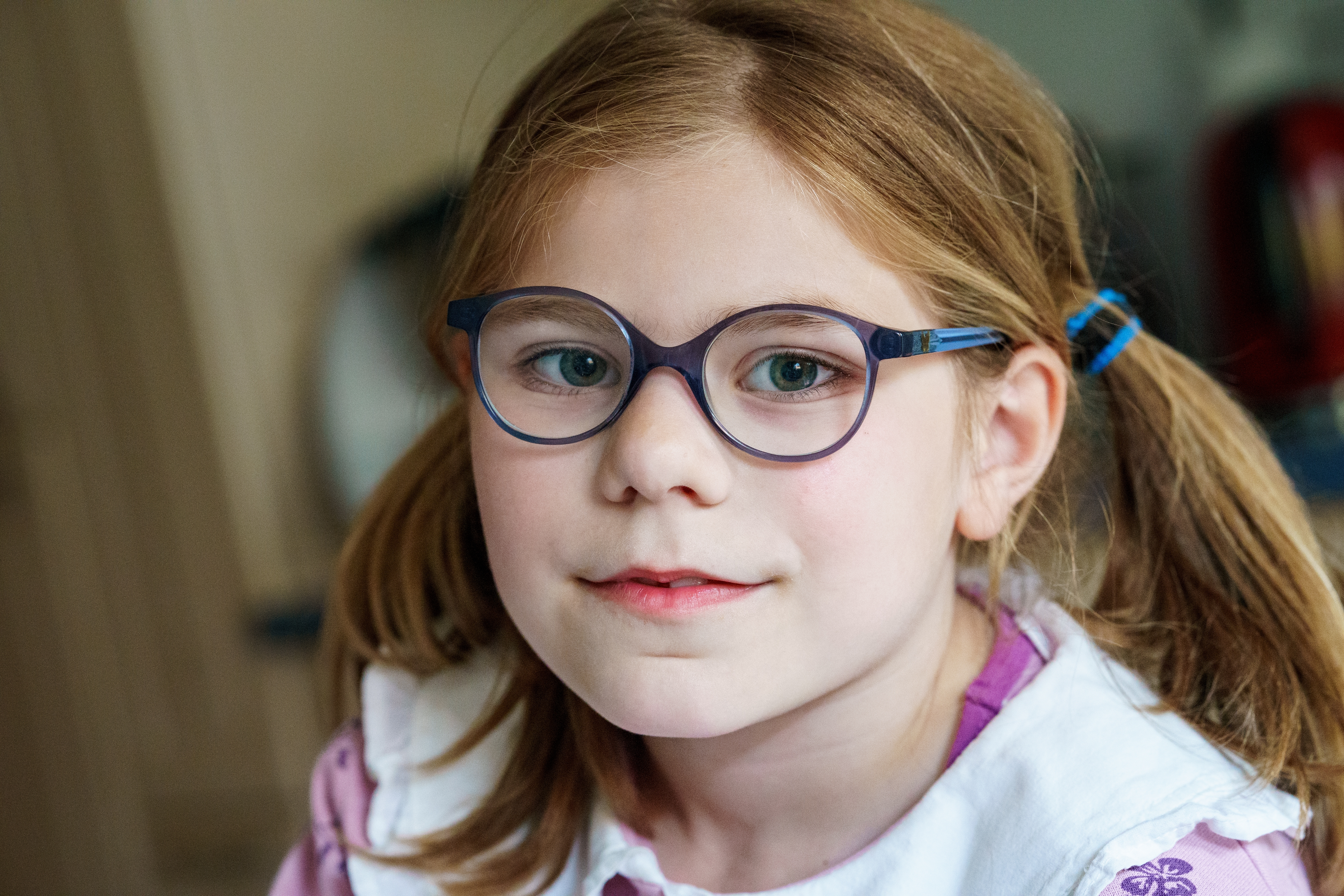
Summer gives families a helpful pause between school years, sports seasons, and busy routines. It is also an ideal time to schedule a pediatric vision exam for your child. At Outreach Vision in Platte City, a children’s eye exam can help uncover vision concerns that may affect learning, reading, coordination, and confidence before the next school year begins.

Summer is a busy season for athletes in Platte City. Between camps, practices, tournaments, and off-season training, many players focus on strength, speed, and conditioning. However, sports performance is not only about how the body moves - it also depends on how well the eyes and brain work together.

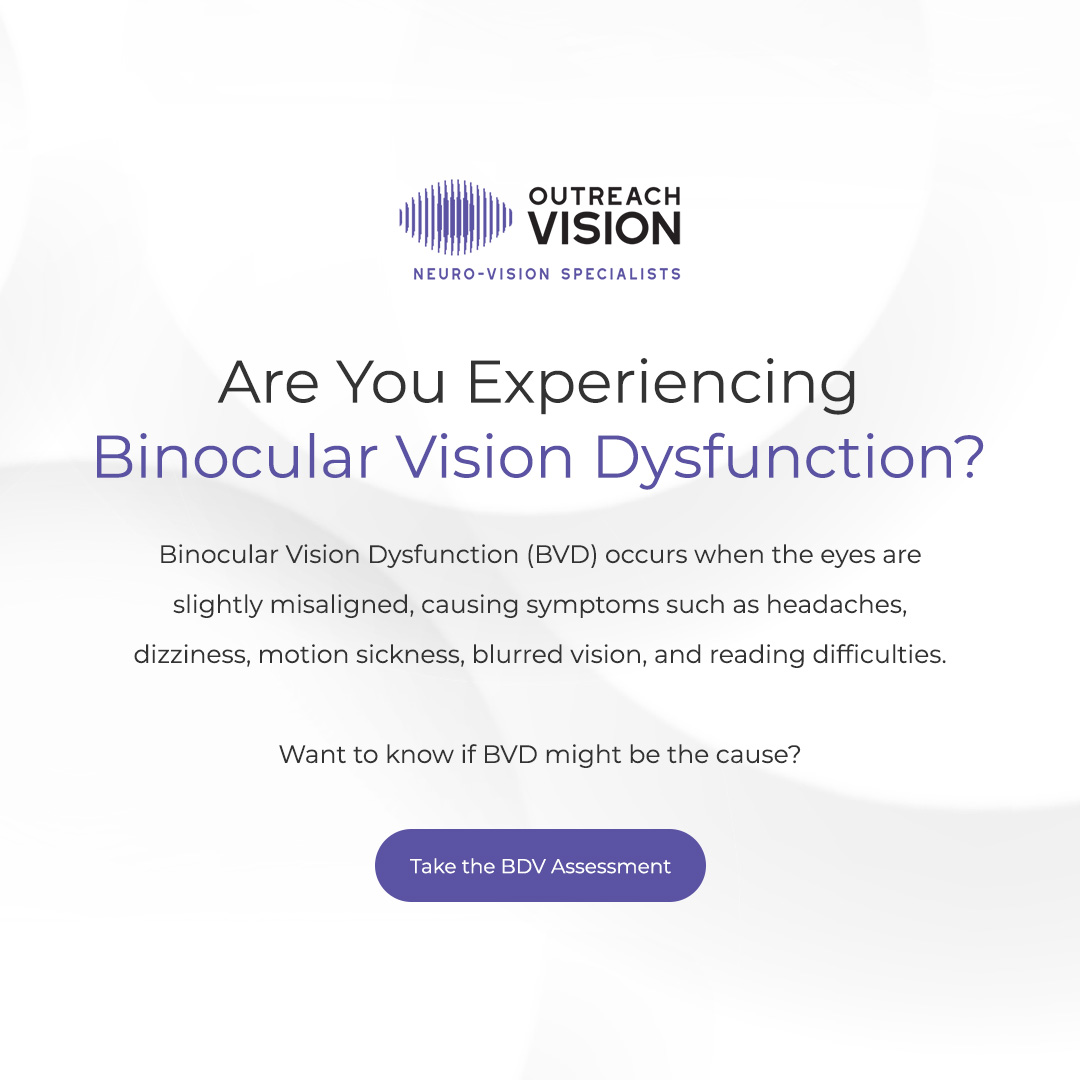
If you live in Platte City and deal with frequent headaches without a clear cause, your eyes may be part of the problem. Binocular Vision Dysfunction, or BVD, happens when the eyes do not align properly, forcing the visual system to work harder to keep images clear and single. Over time, that added strain can contribute to persistent headaches, especially during reading, driving, screen use, and other everyday tasks.

When a child or adult struggles with focus, reading, or school performance, ADHD is often one of the first possibilities considered. But in some cases, the problem may also involve binocular vision dysfunction, or BVD. At Outreach Vision, BVD treatment in Platte City focuses on how the eyes work together and how visual misalignment can affect everyday function.


For many people, vision challenges go far beyond blurry eyesight. You might have 20/20 vision but still struggle to maintain focus, experience headaches after reading, or feel overwhelmed in visually demanding environments. These issues often point to functional vision problems such as how the eyes move, work together, and communicate with the brain. Vision therapy is a proven and noninvasive treatment designed to improve these visual skills and restore comfort, clarity, and confidence in everyday life.

When most people think about stress and anxiety, they focus on mental or emotional causes. But what many don’t realize is that vision can play a significant role in how the body experiences stress and anxiety. At Outreach Vision, we often see patients who have spent years searching for answers to anxiety symptoms, only to discover the root cause lies in their visual system.


Our Services
Contact Info
Hours of Operation
By Appointment Only*- Monday 10:00 AM - 5:00 PM
- Tuesday 10:00 AM - 5:00 PM
- Wednesday 10:00 AM - 5:00 PM
- Thursday 10:00 AM - 5:00 PM
- Friday 10:00 AM - 5:00 PM
- Saturday 10:00am - 3:00pm
- Sunday Closed
© 2026 Outreach Vision. All rights Reserved. Accessibility Statement - Privacy Policy - Terms & Conditions - Sitemap
Powered by: