

Youth Athletes: When to Start Vision Training for Best Results
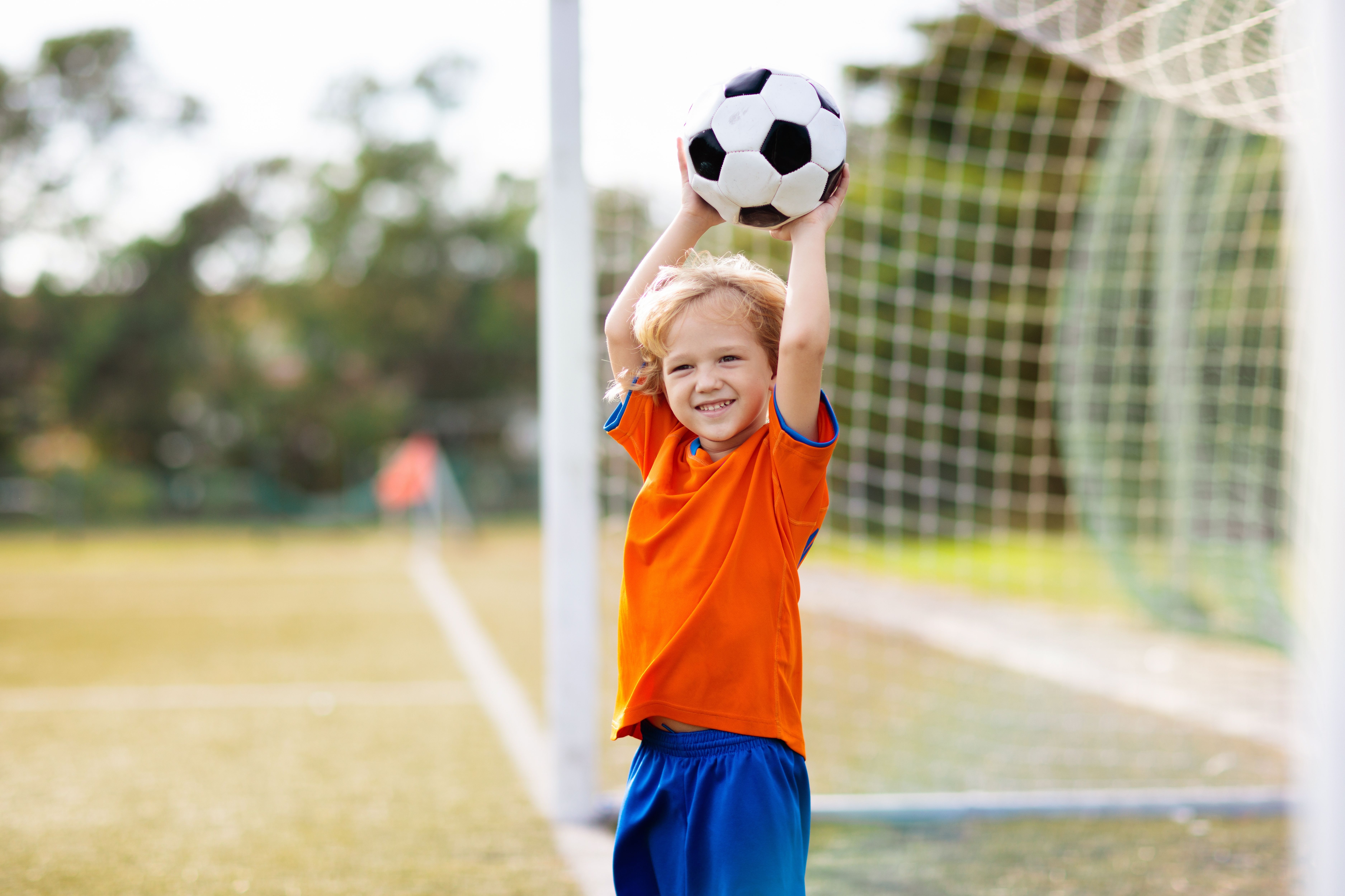
When we think about helping young athletes succeed, we often focus on physical strength, speed, and endurance. But one critical factor is often overlooked: vision. For youth athletes, clear and efficient visual skills play a major role in reaction time, hand-eye coordination, balance, and overall performance. Knowing when to start vision training can make a meaningful difference in both athletic success and confidence.
What Is Sports Vision?
Sports vision is a specialized area of optometry focused on how the eyes and brain work together during athletic activities. Sports vision training involves customized exercises designed to improve visual performance skills that are essential for sports, including tracking moving objects, reacting quickly, and maintaining focus under pressure. These skills are critical whether a child plays baseball, soccer, basketball, hockey, or any other sport requiring speed and precision.
Visual Skills Sports Vision Can Help Improve
Sports vision training targets specific visual abilities that directly impact athletic performance. Some of the most important skills include:
• Hand-Eye Coordination: Helps athletes time movements accurately, such as hitting a ball, catching a pass, or shooting a goal.
• Eye Tracking: Improves the ability to follow fast-moving objects smoothly, which is crucial for sports like baseball, tennis, and hockey.
• Reaction Time: Enhances how quickly an athlete responds to visual cues, improving speed and decision-making during play.
• Depth Perception: Supports accurate judgment of distance and spatial awareness, essential for passing, shooting, and positioning.
• Peripheral Awareness: Allows athletes to stay aware of teammates, opponents, and surroundings without losing focus on the main action.
• Visual Focus and Concentration: Helps maintain clear, consistent vision during long practices and high-pressure game situations.
By strengthening these skills, sports vision training can help young athletes perform more consistently and confidently.
When Should Youth Athletes Start Vision Training?
One of the most common questions parents ask is when sports vision training should begin. In most cases, children can benefit from sports vision training as early as 6 to 8 years old, depending on their maturity and ability to follow instructions.
Starting early offers several advantages:
• Visual skills develop alongside physical and motor skills
• Early training can help correct visual inefficiencies before they impact performance
• Younger athletes often adapt quickly and show strong improvements
That said, it’s never “too late” to start. Middle school and high school athletes frequently benefit from sports vision training as competition levels increase and reaction times become more critical. If a child struggles with tracking the ball, frequently misjudges distances, or seems slower to react than peers, a sports vision evaluation may be especially helpful.
Give Your Athlete a Visual Advantage
Vision plays a critical role in athletic success, especially for youth athletes still developing foundational skills. Starting sports vision training at the right age can support long-term athletic development and boost confidence both on and off the field.
Contact Outreach Vision to schedule a consultation and learn how sports vision can support your child’s athletic goals. Visit our office in Platte City, Missouri, or call (816) 858-6080 to book an appointment today.


Our Services
Contact Info
Hours of Operation
By Appointment Only*- Monday 10:00 AM - 5:00 PM
- Tuesday 10:00 AM - 5:00 PM
- Wednesday 10:00 AM - 5:00 PM
- Thursday 10:00 AM - 5:00 PM
- Friday 10:00 AM - 5:00 PM
- Saturday 10:00am - 3:00pm
- Sunday Closed
© 2026 Outreach Vision. All rights Reserved. Accessibility Statement - Privacy Policy - Terms & Conditions - Sitemap
Powered by: