
Understanding Binocular Vision Dysfunction and Its Link to Chronic Dizziness

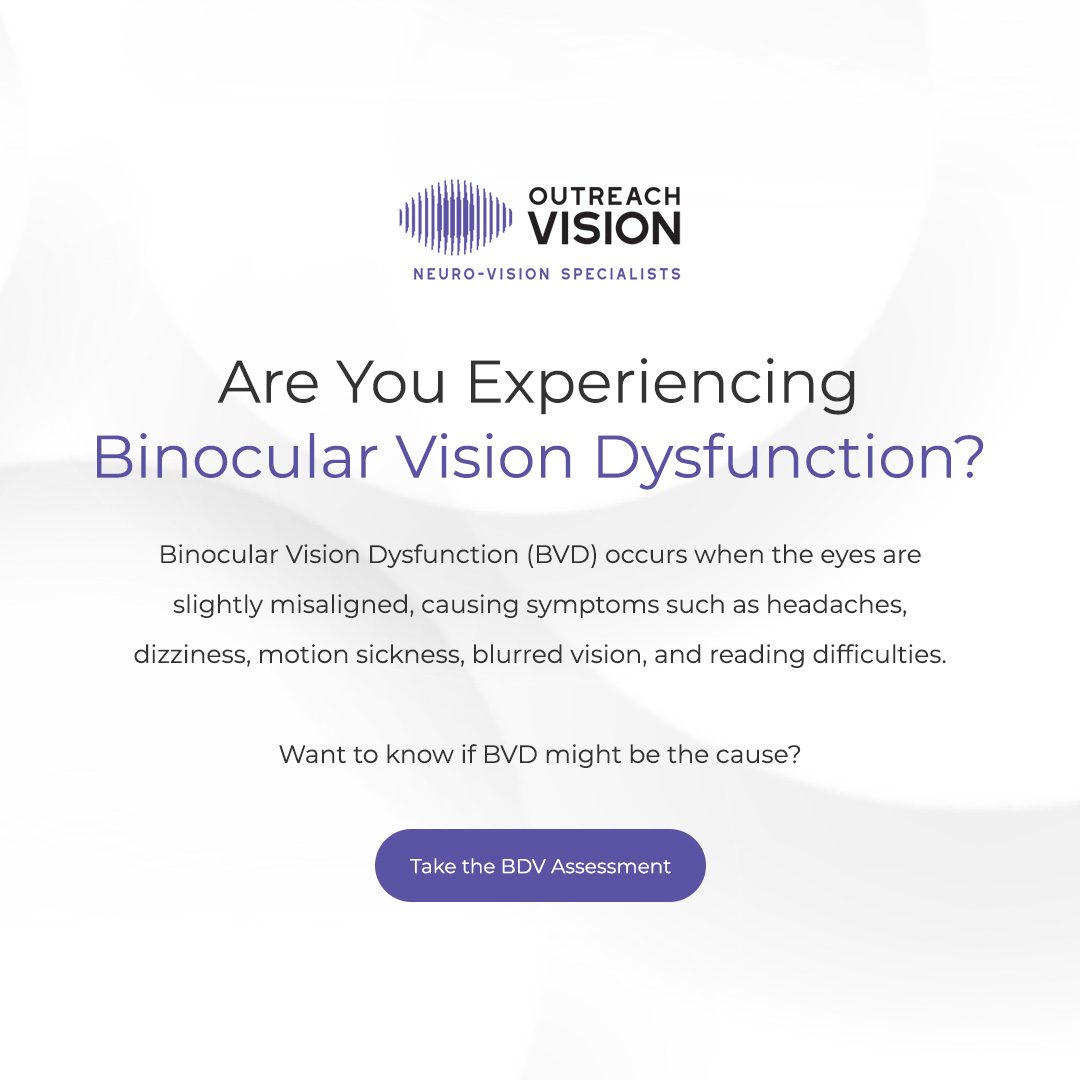
Dizziness that keeps coming back can be difficult to understand, especially when it does not have an obvious cause. While many people think of the inner ear first, the way your eyes work together can also affect balance, motion sensitivity, and visual comfort. Binocular vision dysfunction, or BVD, happens when the eyes are not teaming properly, which can make the brain work harder to keep vision clear and stable.
What Is Binocular Vision Dysfunction?
Binocular vision depends on both eyes aligning and focusing together. Even a small eye alignment issue can make the visual system work harder than it should. The eyes may still appear normal, and a person may even have clear eyesight, but the brain may be under constant strain trying to keep images aligned.
This extra effort can affect comfort, depth perception, balance, and visual stability. Over time, the strain may lead to symptoms that interfere with reading, driving, working on screens, or moving through busy environments.
How BVD Can Contribute to Dizziness
Your visual system helps your brain understand where your body is in space. When the eyes send conflicting or unstable information, the brain may have a harder time coordinating balance and movement. This can create symptoms that feel similar to vertigo or motion sickness.
People with binocular vision dysfunction may notice dizziness in situations such as grocery stores, crowds, traffic, stairways, or while scrolling on a phone. These environments require the eyes and brain to process a lot of visual information quickly, which can make symptoms more noticeable.
Common Symptoms to Watch For
Binocular vision dysfunction can look different from person to person. Some patients experience mild discomfort, while others deal with daily symptoms that affect their routine.
Common signs may include:
- Chronic dizziness or lightheadedness
- Headaches or eye strain
- Motion sensitivity
- Trouble focusing while reading
- Double vision or shadowed vision
- Neck tension or fatigue
- Feeling off-balance in busy spaces
- Difficulty with depth perception
These symptoms can overlap with other health concerns, so a thorough evaluation is important.
Why a Standard Eye Exam May Not Be Enough
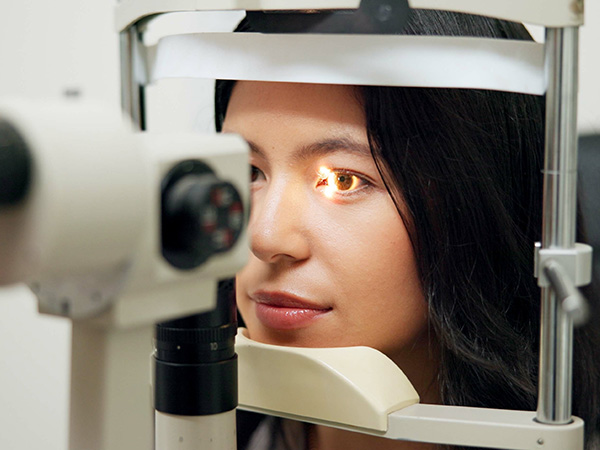
A routine eye exam is important for checking eye health and vision clarity, but binocular vision dysfunction often requires a more specialized evaluation. A NeuroVisual™ Exam takes a closer look at how the eyes work together, including eye alignment, focusing, tracking, and how the brain responds to visual input during everyday activities.
At Outreach Vision, our NeuroVisual™ Exam helps us determine whether subtle vision misalignment may be contributing to symptoms such as dizziness, headaches, motion sensitivity, eye strain, or balance-related discomfort.
Treatment Options for BVD in Platte City
Treatment depends on the cause and severity of the binocular vision issue. Some patients may benefit from specialized lenses, prism correction, vision therapy, or neuro-optometric care. The goal is to help the eyes and brain work together more comfortably and efficiently. With the right diagnosis and treatment plan, many patients experience better visual comfort and improved confidence in daily activities.
If chronic dizziness, motion sensitivity, headaches, or visual strain are affecting your daily life, schedule a NeuroVisual™ Exam with Outreach Vision to learn more about BVD treatment. Visit our office in Platte City, Missouri, or call (816) 858-6080 to book an appointment today.


Our Services
Contact Info
Hours of Operation
By Appointment Only*- Monday 10:00 AM - 5:00 PM
- Tuesday 10:00 AM - 5:00 PM
- Wednesday 10:00 AM - 5:00 PM
- Thursday 10:00 AM - 5:00 PM
- Friday 10:00 AM - 5:00 PM
- Saturday 10:00am - 3:00pm
- Sunday Closed
© 2026 Outreach Vision. All rights Reserved. Accessibility Statement - Privacy Policy - Terms & Conditions - Sitemap
Powered by: