
The Link Between Stress, Anxiety, and Eye Health

When most people think about stress and anxiety, they focus on mental or emotional causes. But what many don’t realize is that vision can play a significant role in how the body experiences stress and anxiety. At Outreach Vision, we often see patients who have spent years searching for answers to anxiety symptoms, only to discover the root cause lies in their visual system.
What Is BVD (Binocular Vision Dysfunction)?
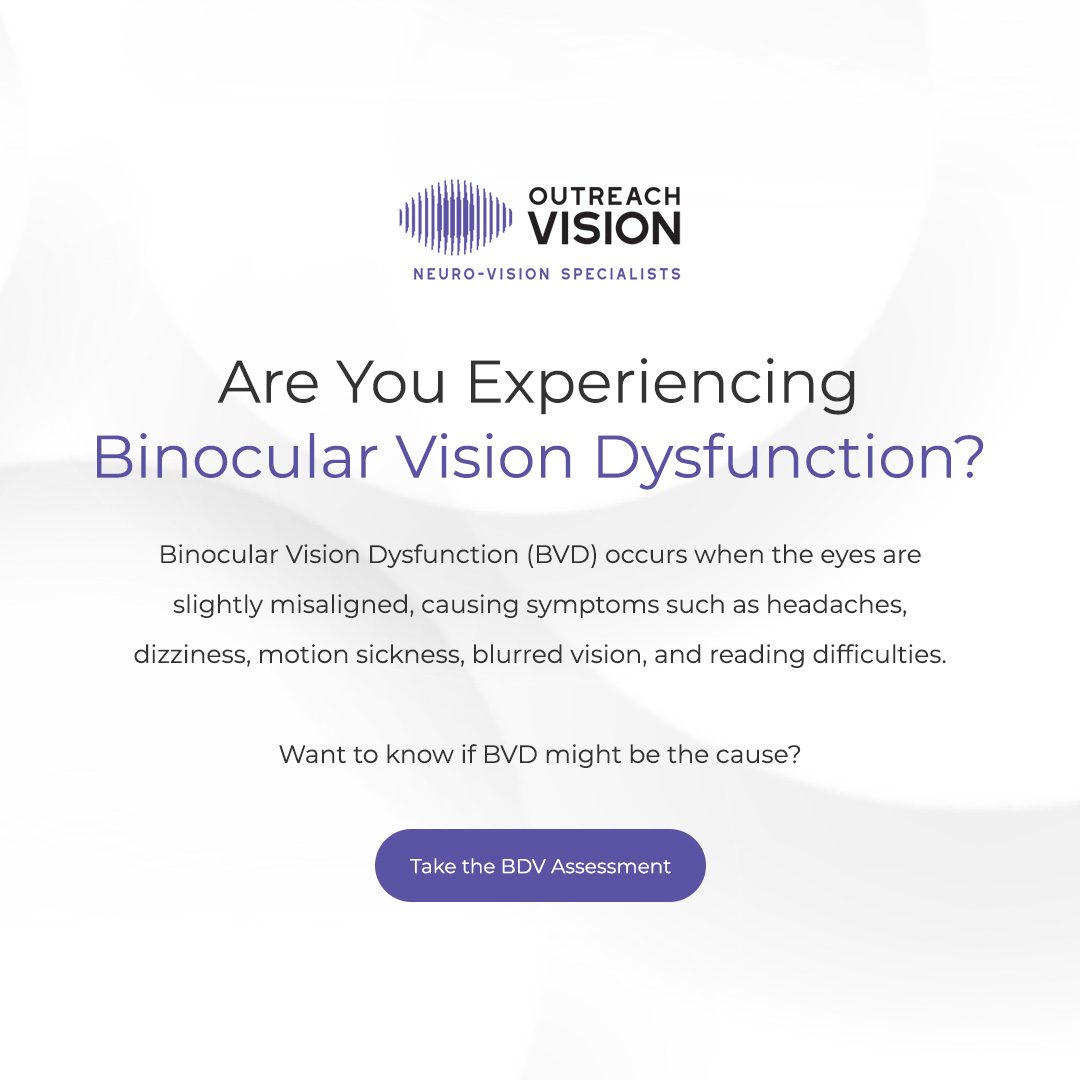
Binocular Vision Dysfunction (BVD) occurs when the eyes are slightly misaligned and struggle to work together as a team. Even very small misalignments can force the brain to work overtime to maintain clear, single vision.
Because the brain depends heavily on visual input to understand the world, this constant effort can overload the nervous system. Over time, this strain can trigger both physical and emotional symptoms.
Common symptoms of BVD include:
• Dizziness or imbalance
• Headaches or facial pain
• Neck and shoulder tension
• Reading difficulties
• Visual motion sensitivity
But some of the most overlooked symptoms are anxiety-related.
How BVD Can Create Anxiety and Stress
When vision is unstable, the brain perceives the environment as unpredictable or unsafe. This can activate the body’s stress response - even when there is no real danger.
Patients with undiagnosed BVD may experience:
• Panic attacks
• Agoraphobia (fear of open or crowded spaces)
• Anxiety in stores, malls, or while driving
• Fear of falling or losing balance
• Social avoidance due to visual discomfort
In these cases, anxiety is not purely psychological - it is a neurological response to faulty visual input. The brain is constantly trying to correct what the eyes can’t, keeping the nervous system in a heightened state of alert.
Why BVD Is Often Misdiagnosed
BVD is frequently missed because standard eye exams focus on visual acuity (how clearly you see letters on a chart), not how well the eyes work together.
As a result:
• Patients may be told their vision is “20/20”
• Symptoms are often attributed to anxiety disorders, vertigo, migraines, or inner ear problems
• Treatment may focus solely on medication or therapy without addressing the visual cause
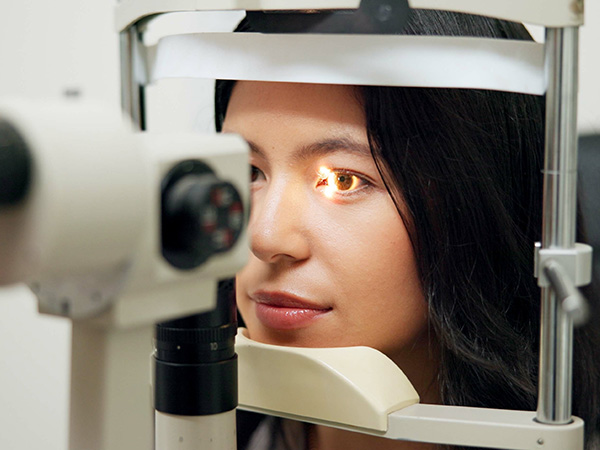
A NeuroVisual™ Exam goes beyond a routine eye exam by evaluating how the eyes, brain, and nervous system function together. This specialized exam is designed to detect subtle binocular vision issues that traditional testing often overlooks.
Get to the Root of Your Anxiety at Outreach Vision
Stress and anxiety are not always purely emotional or psychological. For many people, the root cause may be visual - specifically how the eyes and brain work together. Binocular Vision Dysfunction can quietly fuel anxiety, panic attacks, and agoraphobia, often going undiagnosed for years. By identifying and treating the visual source of stress, patients can experience not just clearer vision, but a calmer, more balanced life.
If you or a loved one struggle with unexplained anxiety, dizziness, or visual discomfort, schedule a NeuroVisual™ Exam at Outreach Vision today. Contact our office in Platte City, Missouri, by calling (816) 858-6080 to book an appointment.


Our Services
Contact Info
Hours of Operation
By Appointment Only*- Monday 10:00 AM - 5:00 PM
- Tuesday 10:00 AM - 5:00 PM
- Wednesday 10:00 AM - 5:00 PM
- Thursday 10:00 AM - 5:00 PM
- Friday 10:00 AM - 5:00 PM
- Saturday 10:00am - 3:00pm
- Sunday Closed
© 2026 Outreach Vision. All rights Reserved. Accessibility Statement - Privacy Policy - Terms & Conditions - Sitemap
Powered by: