
Why Some Kids (and Adults) Struggle to Read: Binocular Vision Dysfunction vs. ADHD

Struggling to read can be frustrating for children and adults alike. Whether it’s losing your place on the page, skipping lines, headaches, or simply not enjoying reading, these challenges often raise questions for families. Two of the most common reasons behind these struggles are binocular vision dysfunction (BVD) and attention deficit hyperactivity disorder (ADHD). Although their symptoms can overlap, understanding the difference and the critical role of a NeuroVisual™ Exam can be life-changing.
Understanding Reading Challenges
Many people immediately suspect ADHD when a child has trouble focusing, is easily distracted, or avoids reading. ADHD is a well-known condition that affects a person’s ability to concentrate and stay on task. However, vision-related problems, especially binocular vision dysfunction, often go unrecognized.
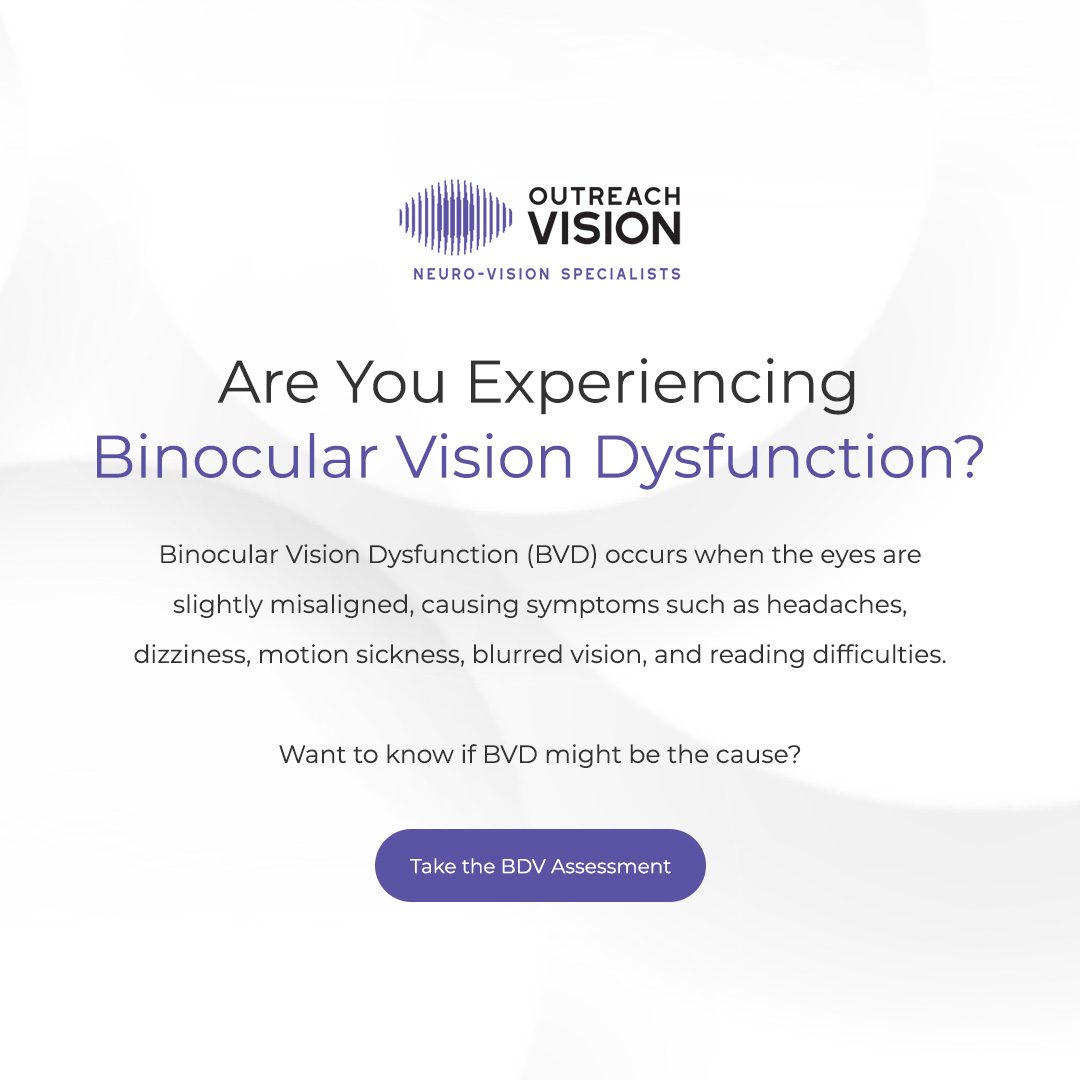
Binocular vision dysfunction occurs when the eyes don’t work together as a team. This subtle misalignment causes the brain to work overtime to fuse the images from each eye, resulting in symptoms such as:
• Blurred or double vision while reading
• Headaches or eye strain
• Difficulty keeping your place or skipping lines
• Words that seem to “move” on the page
• Trouble concentrating when doing close work
These symptoms can mimic, or even be mistaken for, ADHD. As a result, children (and adults) may be misdiagnosed or may not get the support they actually need.
ADHD Is Not the Only Answer
While ADHD affects many people and can certainly make reading a challenge, it is not the only possible explanation. Teachers and parents may notice a child fidgeting, daydreaming, or avoiding homework and assume attention issues are to blame. But if underlying binocular vision dysfunction goes undetected, treatment focused solely on ADHD won’t resolve the root of the problem.
The Role of a NeuroVisual™ Exam
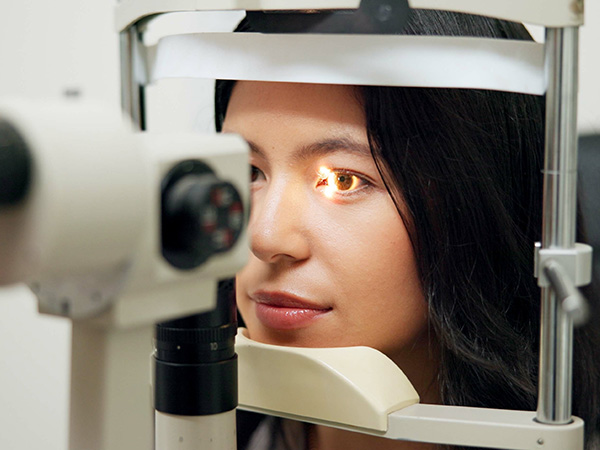
A routine vision screening at school or a basic eye exam is not enough to identify binocular vision dysfunction. That’s where a NeuroVisual™ Exam comes in. Unlike standard exams, a NeuroVisual™ Exam is specifically designed to uncover subtle eye misalignments and assess how well the eyes are working together. During this comprehensive evaluation, our optometrists look for signs of BVD and related visual processing issues that could be affecting reading, learning, and even behavior.
With the right diagnosis, vision therapy can make an enormous difference. This customized program is designed to strengthen the visual system and improve how the eyes work together. Many patients experience fewer headaches, better concentration, increased reading stamina, and greater confidence both in school and everyday activities.
Why the Right Diagnosis Is Essential
Misdiagnosing BVD as ADHD can result in unnecessary medication, missed opportunities for effective treatment, and ongoing frustration for families. Children and adults may continue to struggle with reading, learning, and self-esteem, never realizing that the root cause is actually a vision problem. By uncovering the real reason behind these reading difficulties, we can provide targeted solutions, restore confidence, and help each person reach their full potential both in and out of the classroom.
Get to the Root of Reading Struggles at Outreach Vision
If you or your child is struggling to read, loses place on the page, or has been diagnosed with ADHD but still faces challenges, binocular vision dysfunction may be the missing piece. A NeuroVisual™ Exam at Outreach Vision can help identify the underlying cause and open the door to more effective solutions.
If you suspect binocular vision dysfunction may be affecting your child’s ability to read and learn, we can help. Schedule a NeuroVisual™ Exam at Outreach Vision to uncover the real cause of reading struggles and learn how targeted vision therapy can make a difference. Contact our office in Platte City, Missouri, by calling (816) 858-6080 to book an appointment today.


Our Services
Contact Info
Hours of Operation
By Appointment Only*- Monday 10:00 AM - 5:00 PM
- Tuesday 10:00 AM - 5:00 PM
- Wednesday 10:00 AM - 5:00 PM
- Thursday 10:00 AM - 5:00 PM
- Friday 10:00 AM - 5:00 PM
- Saturday 10:00am - 3:00pm
- Sunday Closed
© 2026 Outreach Vision. All rights Reserved. Accessibility Statement - Privacy Policy - Terms & Conditions - Sitemap
Powered by: